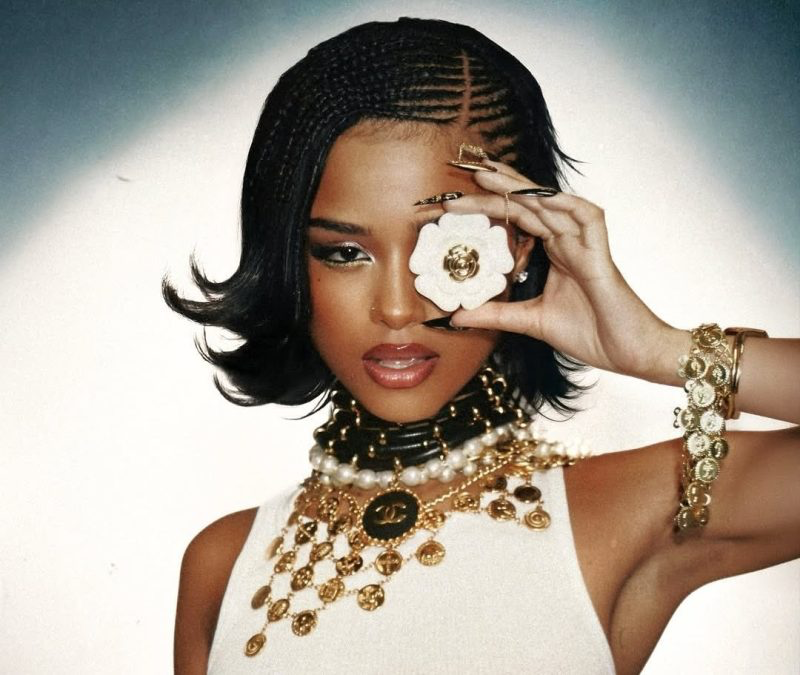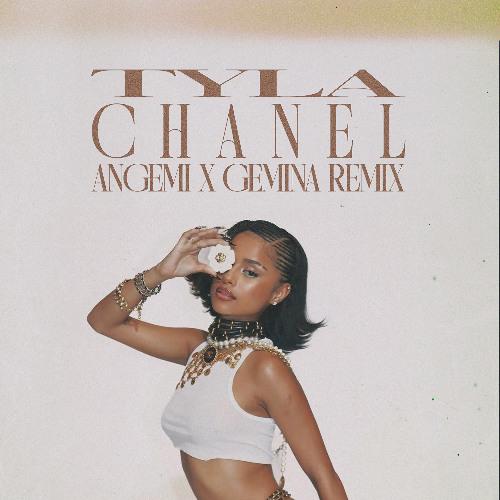
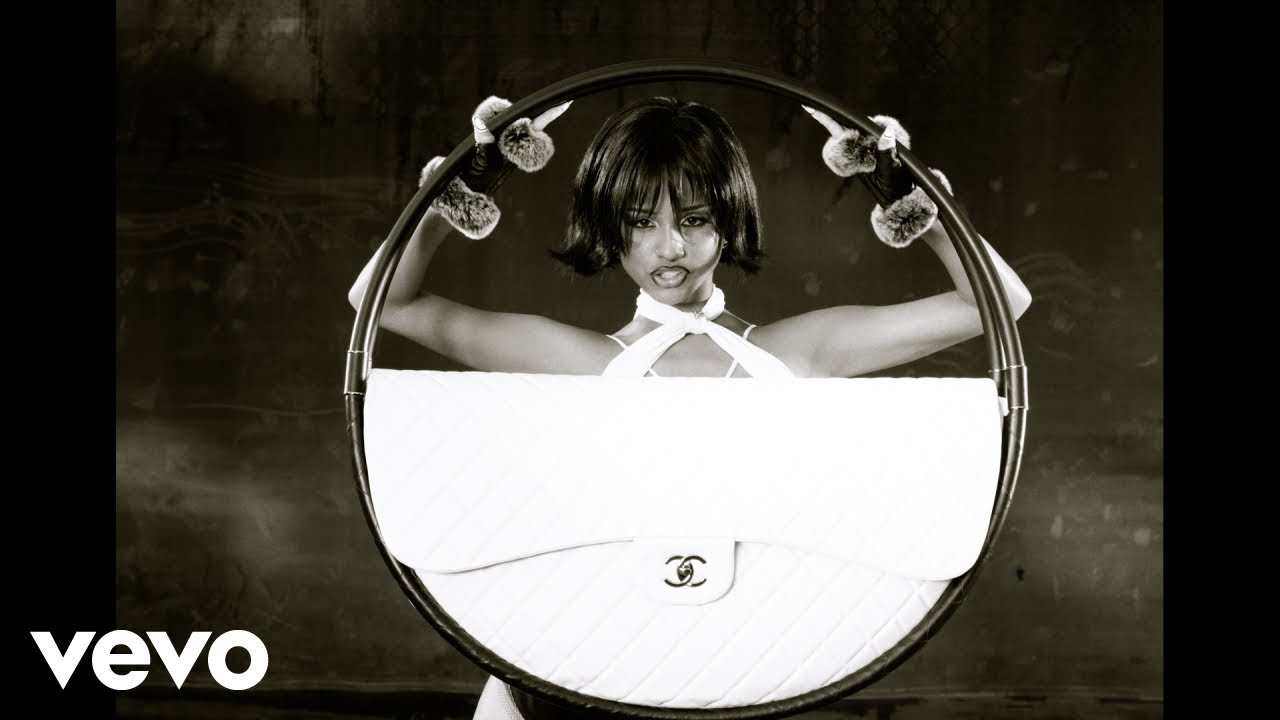
Luxury rarely needs to shout, it just needs to be everywhere at the right moment. When Tyla dropped “Chanel” on October 24, 2025, she turned a brand name into a hook you cannot un-hear, “How you say you love me? You ain’t put me in Chanel.”
Here’s the part most brands would pay obscene money for: the “ad” did not feel like an ad. It felt like a mood. The music video leaned into archival Chanel pieces, styled like a ’90s supermodel editorial, with vintage looks sourced and rebuilt for a modern silhouette. That visual language does something powerful, it makes the house feel both timeless and current in the same breath.
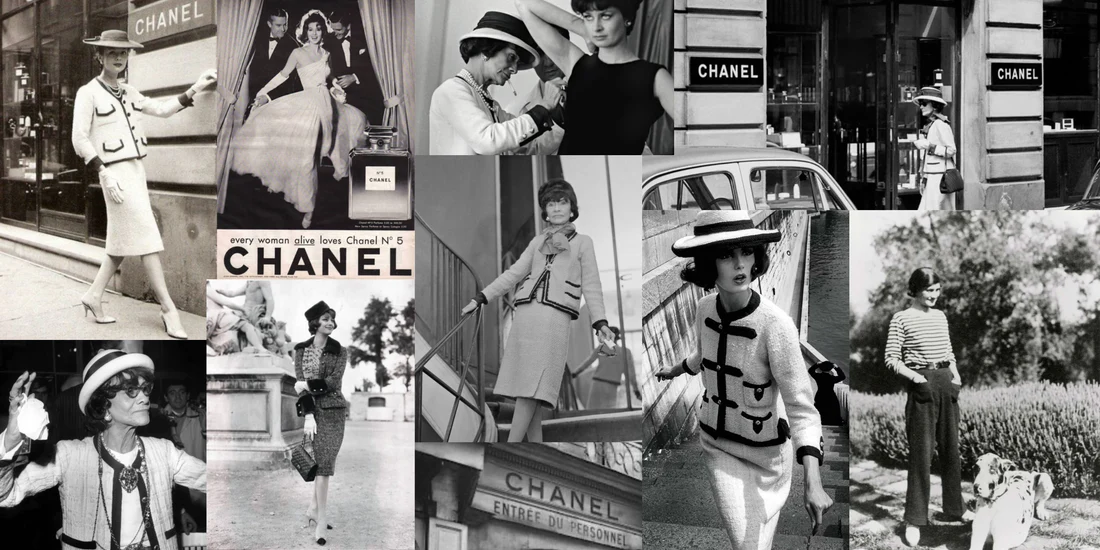
From a marketing lens, this is clean conversion architecture. A repeatable line that functions like a consumer dare, paired with a fashion fantasy that gives people references they can screenshot, recreate, and remix. Think of every short-form clip using the sound as free media, a rolling billboard that travels faster than any campaign calendar.
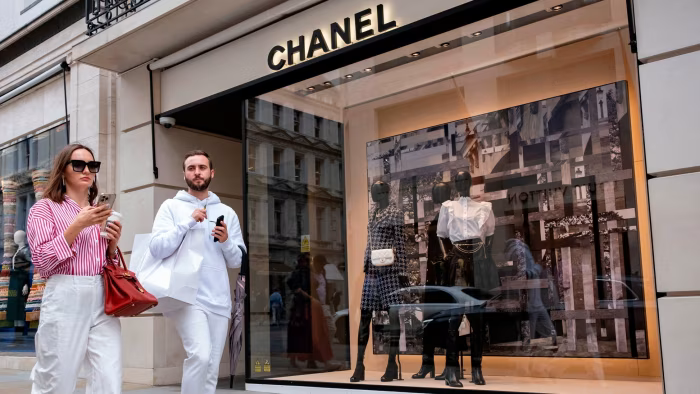
Now, can we prove a precise sales uplift from public data alone? Not cleanly, because Chanel does not publish product-level spikes tied to a single cultural moment. But we can say this: “Chanel” put the brand back in daily conversation at global scale, and the track’s chart momentum amplified that reach week after week. That is how desirability becomes demand, and demand becomes revenue.