Luxury brands used to treat influencers like a loudspeaker. Louis Vuitton treats them like infrastructure. Not a one-off post, not a “gifted” haul, but a long-term ecosystem where creators become recurring characters in the brand’s story, with real access, real context, and real cultural timing.
That’s the Code: Make Influence feel Earned.
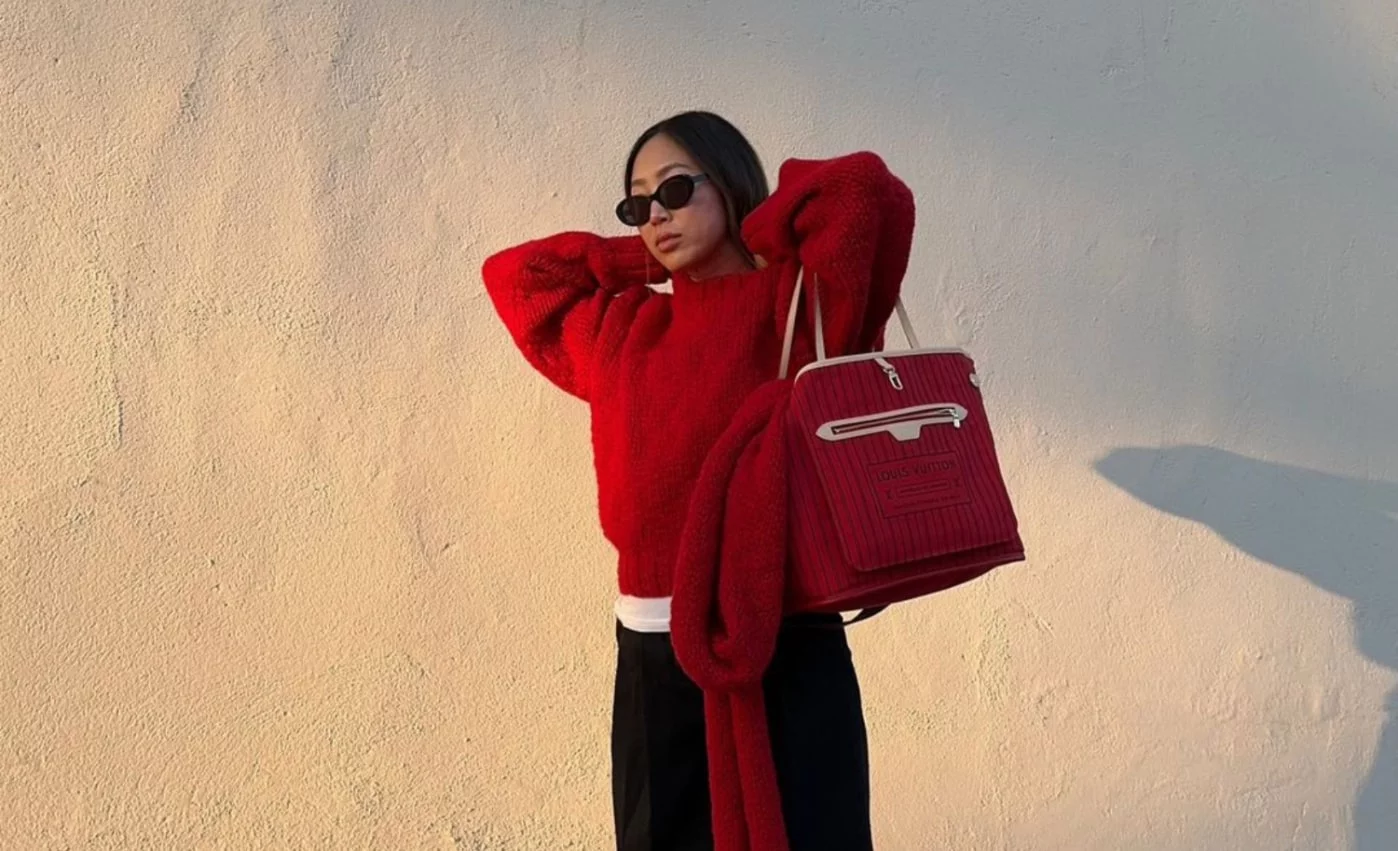
Louis Vuitton’s strategy leans hard into a focused, intentional roster, then amplifies it through the moments luxury already owns, runway, red carpet, and the “behind the curtain” content fans obsess over. Business of Fashion has reported how LV’s celebrity approach has helped increase social conversation around its appearances, using social listening data as proof of the impact. And when the industry shifted more digitally, LV also leaned into event-driven content, including major digital fashion-week moments staged in iconic spaces like the Louvre, keeping prestige while upgrading distribution.
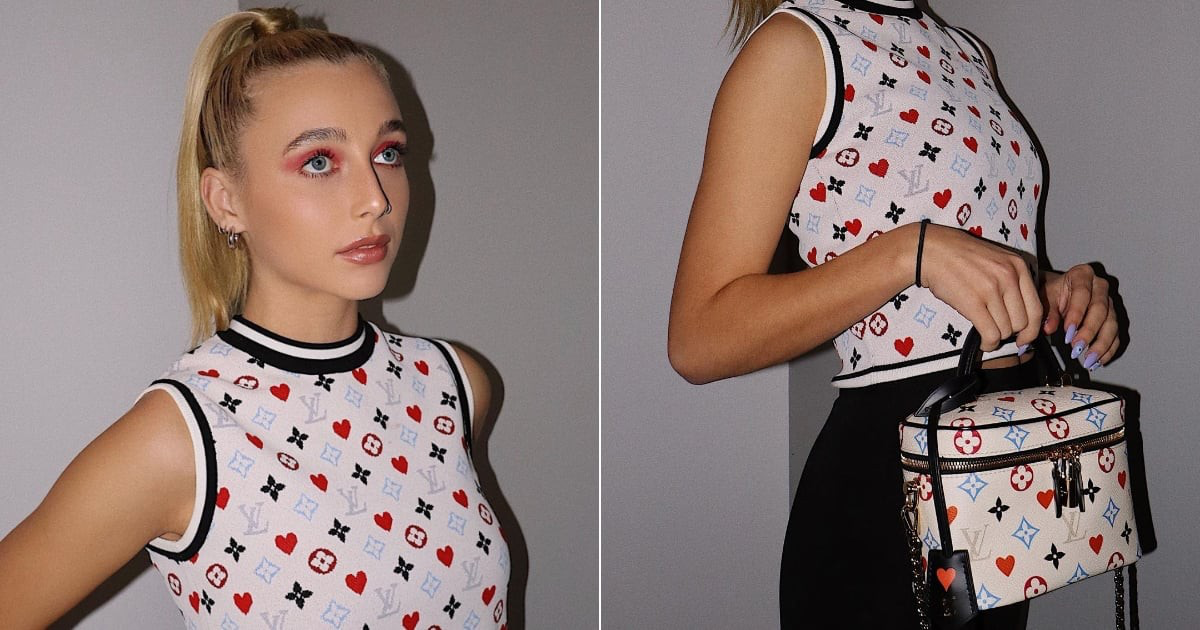
The Emma Chamberlain playbook
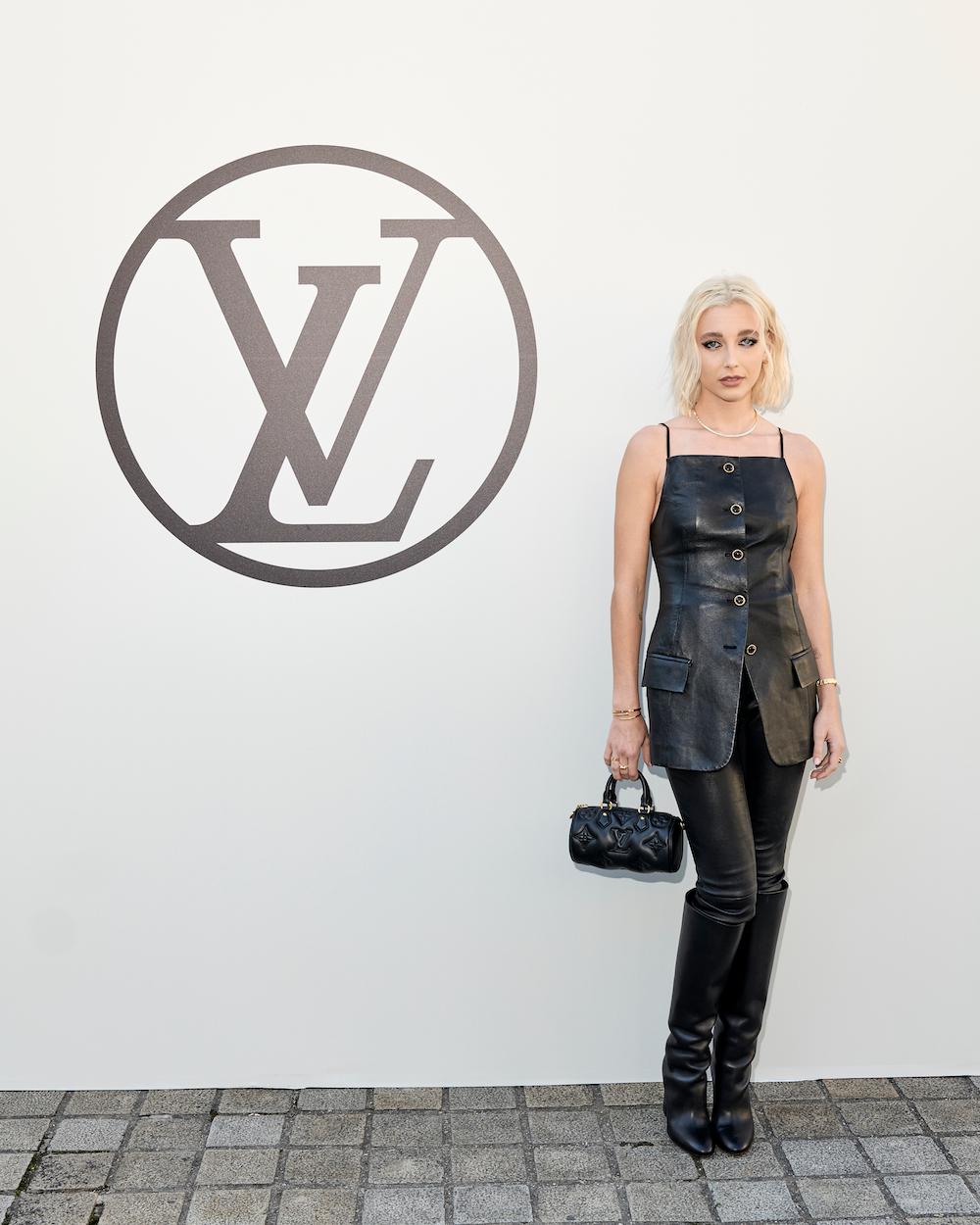
If you want the cleanest example of how LV does influencer marketing right, look at Emma Chamberlain.
She isn’t treated like a billboard. She’s treated like a lens.
Emma has worked closely with Louis Vuitton since 2019, repeatedly showing up at the brand’s fashion shows and wearing LV on high-visibility cultural stages like the Met Gala, which WWD explicitly ties to that longer relationship. Louis Vuitton itself has also publicly spotlighted her wearing custom LV at the Met Gala, positioning her as a modern “digital superstar” inside the house’s official narrative.
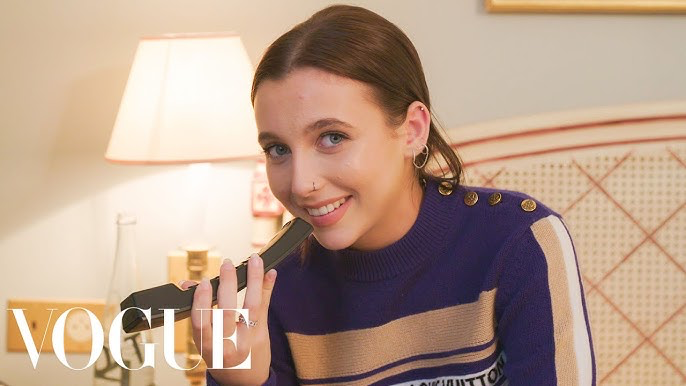
But the real genius is how her content fits the platform. Vogue has featured her getting ready for a Louis Vuitton show, leaning into the behind-the-scenes intimacy that fans trust more than polished ads. Google’s Think with Google has also pointed to a Louis Vuitton partnership with Emma built around creator-native storytelling, not traditional brand scripting.
yes
LV isn’t buying Emma’s audience. It’s borrowing her tone: the relaxed humor, the candidness, the “I’m in the room with you” energy that luxury typically struggles to achieve without feeling try-hard.
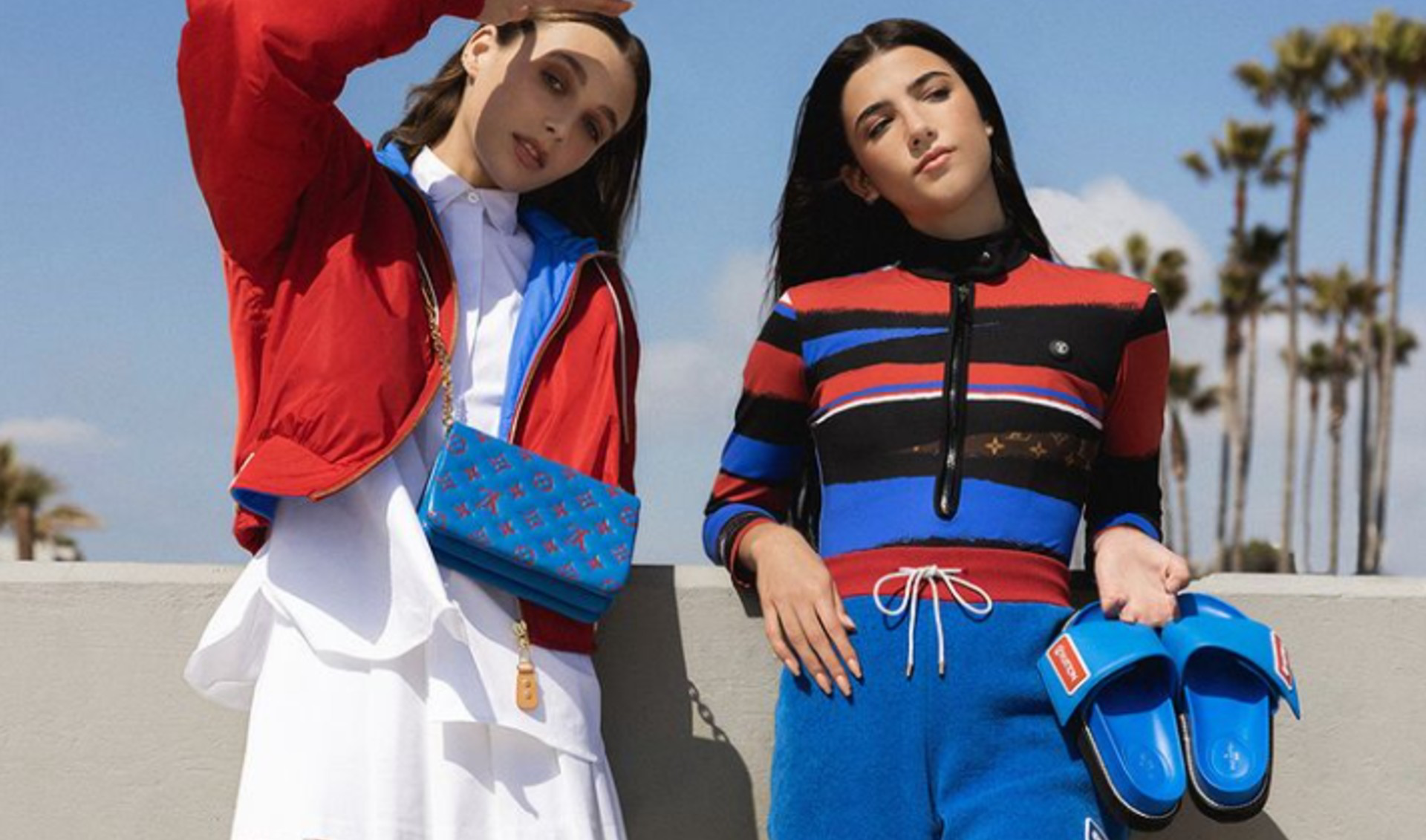
Why Louis Vuitton Wins where Others Look Desperate
1) They don’t chase virality, they stage moments.
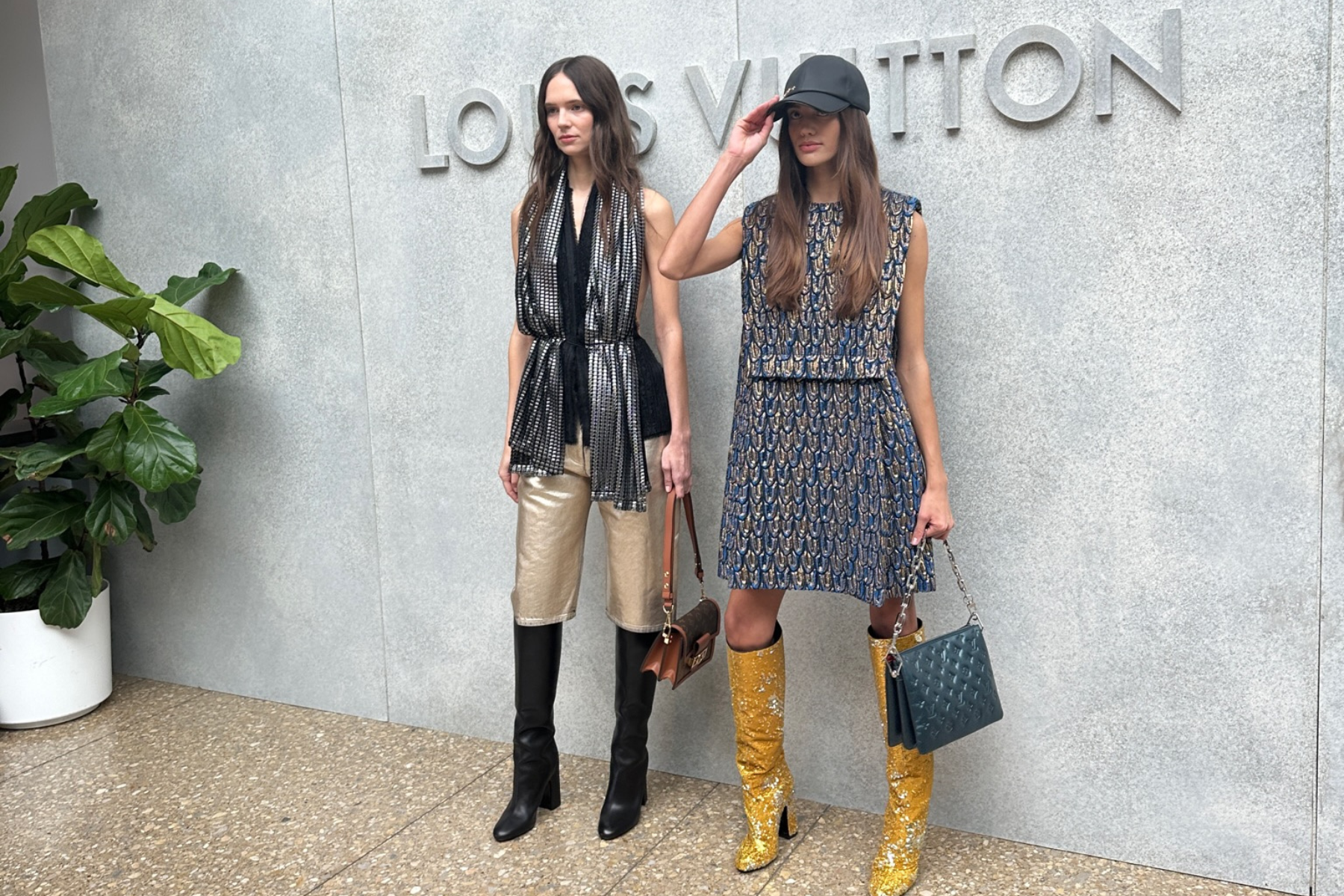
Runway, Met Gala, Paris Fashion Week, these are global attention magnets. LV uses creators to document and translate those moments for the internet, in a voice people actually share.
2) They mix scale with credibility.
LV can dominate digital fashion-week impact, including ranking at the top of Launchmetrics brand performance lists at Paris Fashion Week. That kind of visibility is not “one campaign went viral,” it’s sustained cultural gravity.
3) They treat creators as long-term brand assets.
Ambassador relationships let LV build continuity, so every appearance feels like a chapter, not an ad slot. That repetition is what creates memory, and in luxury, memory becomes desire.
The HRTN takeaway
If you’re building premium influence, steal this:
- Pick a small roster that fits your aesthetic and values.
- Give them access, not scripts.
- Anchor content around real moments, not random posting calendars.
- Let the creator’s voice stay intact, that’s the whole point.
Louis Vuitton didn’t “crack influencers.” They cracked translation. They took luxury’s closed world and let creators make it legible to everyone outside the velvet rope. And Emma Chamberlain is the cleanest proof that when you do it right, influence stops being marketing and starts being culture.